Strong leaders need more than technical knowledge. They need the confidence to navigate change, think strategically and make responsible decisions. If you're considering a Master in Management, this Q&A with the University of Southampton's Programme Director answers common questions about the online degree, from choosing the right pathway to studying flexibly while building the skills employers value.
Who leads the online Master in Management?
I'm Rocchina Covucci, and I’m the Programme Director for the Master in Management courses here at the University of Southampton. I spend a lot of time teaching, supporting students, and helping people build confidence in areas like accounting and finance. I also help students develop broader management skills.
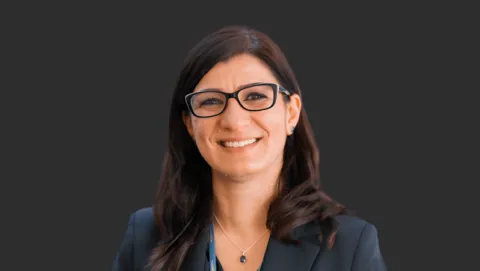
I have many years’ industry experience. I also work closely with prospective students in my role as a Postgraduate Admission tutor, so I know what people are looking for when they decide to take this next step in their education or career. It's always exciting to help people develop into the kind of leaders they want to become.
Why does a Master in Management matter today?
We know that right now, organisations everywhere are dealing with big, complicated challenges.
Sustainability pressures, digital disruption, artificial intelligence, global supply chain issues - you name it. And these challenges aren't going away. So, tomorrow’s leaders need something more than traditional business knowledge. They need to be able to think ethically, understand sustainability, and lead in a way that makes a positive difference.
That's exactly why this programme exists. It gives you the skills, confidence, and mindset to navigate this changing world.
Why choose Southampton for your management studies?
This course is delivered by the University of Southampton Business School, which is recognised for its strong research and teaching. We’re a top 25 UK business school for research quality.
Being part of this School means you’re learning from people who are engaged with real-world business challenges. And because of my background in accounting, I'm especially proud of our strengths in areas like sustainability, reporting management, and corporate governance.
What this means for you is that many of the ideas you learn, especially around responsible management, are grounded in current practice and evidence. You'll also benefit from case studies and industry insights that help bring theory to life.
What Master in Management pathways are available?
We offer three pathways and each one suits different goals.
The general Master in Management is the most flexible. You get a strong foundation across all the key areas like strategy, leadership, operations and marketing, organisational behaviour and so on. This is perfect if you want broad management skills that you can apply in almost every industry.
Then we have the Master in Management for business sustainability. This is for those of you who are passionate about sustainability and want to embed ethical practices into business strategy. You’ll study things like sustainability, accounting and sustainable operations; areas that we all know are becoming incredibly important.
Finally, the third pathway is the Master in Management for logistics. This is for anyone who wants to specialise in supply chain logistics. Given everything happening in the world: pandemics, geographical tensions, global shortages, I’d say this area is more important than ever.
How do you choose the right Master in Management pathway?
My advice would be to pick the general MiM if you want broad transferable leadership and management skills. Choose business sustainability if you want to drive ethical and sustainable change in organisations, and choose logistics if your ambition lies in supply chain operations or global logistics management.
How is the online Master in Management taught?
What excites me about our approach is the way we deliver our teaching and our learning. We combine solid management fundamentals with practical applied learning.
You'll study core modules like Strategic Management, Managing People and Organisations, and Contemporary Marketing Practice: Ethics, Innovation, and Social Responsibility. But the key is that everything is connected to real life. We actively encourage you to relate your assignments to your own work context and professional interests.
So, you're not just learning theory; you’re applying this theory straight away. And when you reach the dissertation module, you’ll be able to put all your knowledge into action. It's a great opportunity to dive into a topic that really matters to you and your career.
What are the benefits of studying the MiM online and part-time?
One of our programme’s key benefits is its flexibility. Since it's 100% online, part-time, and spread over two years, it’s designed for people with busy lives. That means you can keep working, manage your commitments and still study at a high level.
And the programme is a conversion course, so you also don't need a business degree. This programme is designed for people coming from many different academic and professional backgrounds. That creates a rich learning environment, because everyone brings something unique to the table.
You'll also build an international network with students from all around the world who are facing different organisational challenges. This diversity is such a valuable part of the experience and impact your studies will have on your career.
What skills will you gain from the Master in Management?
By the time you finish your Master in Management studies, you will have developed the skills and confidence to lead teams. You’ll also be able to influence strategy and bring new ideas into your organisation.
If you take one of the specialist pathways, you will also gain deep expertise in sustainability or logistics. These areas have very strong and growing demand across industries.
We’re seeing graduates go on to pursue careers in management consulting, supply chain management, and sustainability strategy operations. They also move into leadership roles across a wide range of sectors.
How should you prepare your personal statement?
In terms of how you should prepare your personal statement, think about it in three parts.
I would say first, tell us why you want to study management and why now. Your motivation is always a key part of your personal statement.
Second, talk about your experience, whatever it looks like. We value all kinds of backgrounds and it's very important to include those.
Third, share your goals. Where do you see yourself heading? How can this qualification help you get there?
And most importantly, just be yourself. Let your motivation and personality come through, because that reads in your personal statement.
How can the Master in Management help you lead with purpose?
Fundamentally, this course is about helping you become the kind of leader who makes a meaningful difference. Someone who leads responsibly, thinks critically and acts with purpose.
You'll join a global community, learn skills that genuinely matter, and prepare yourself for the next stage of your career.
I'd be delighted to welcome you to the University of Southampton Business School. Learn with us, grow with us, and get ready to lead with purpose.
Explore the Master in Management